INTRODUCTION
From paper, to digital... at last;).
Design Approach
This project began with listening. Before any interface was designed, the focus was on deeply understanding how Fisiofeel operated day to day. Through months of online meetings and collaborative sessions with the clinic’s owners, physicians, therapists, and reception team, the goal was to uncover real workflows, pain points, and constraints. Rather than imposing a generic system, the design process was grounded in empathy and co-creation. Each decision was informed by real use cases, ensuring the final solution reflected the clinic’s reality while gently guiding it toward a more efficient, digital future.
ABOUT THE PROJECT
Designing a tailored CRM system
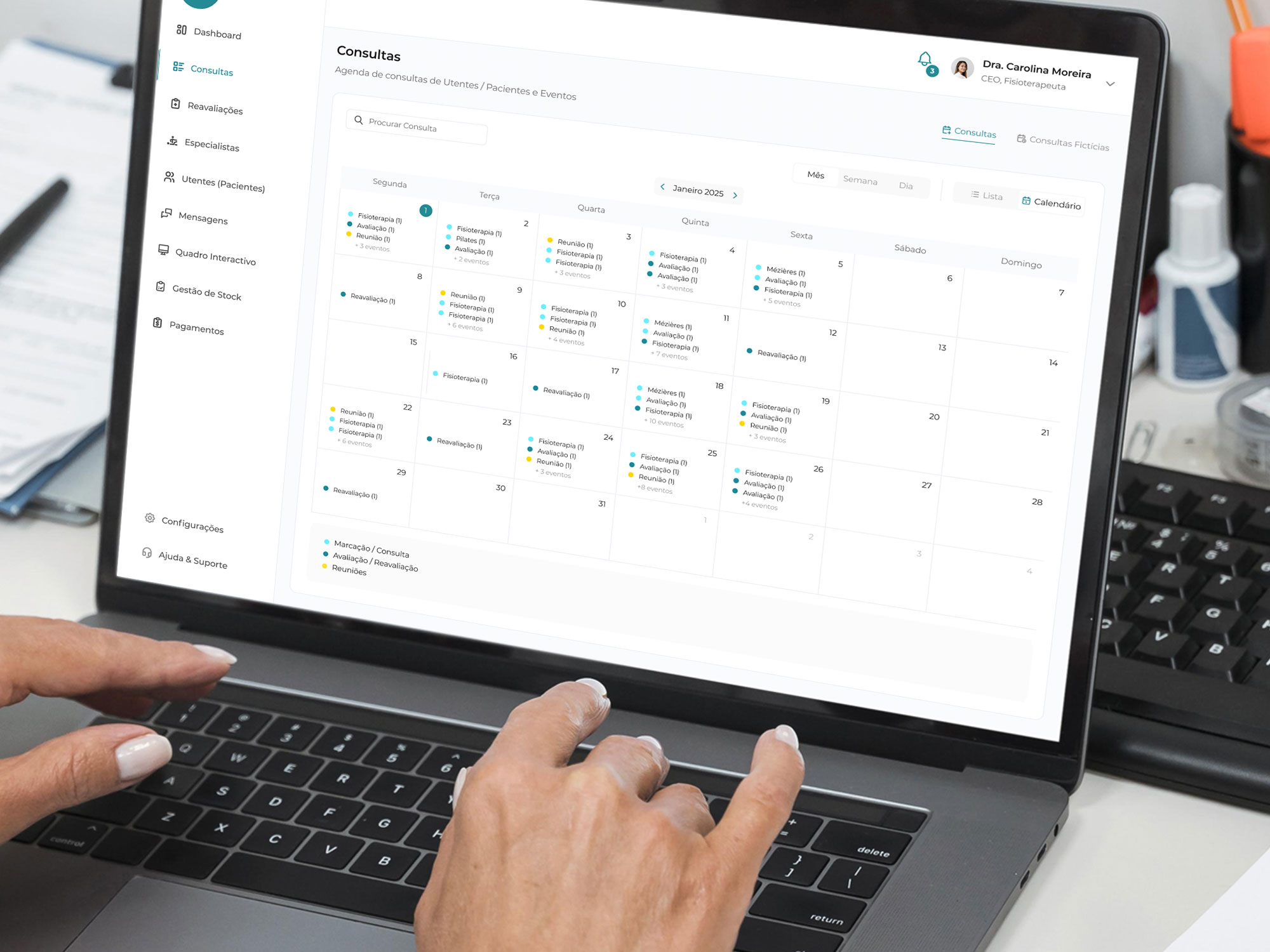
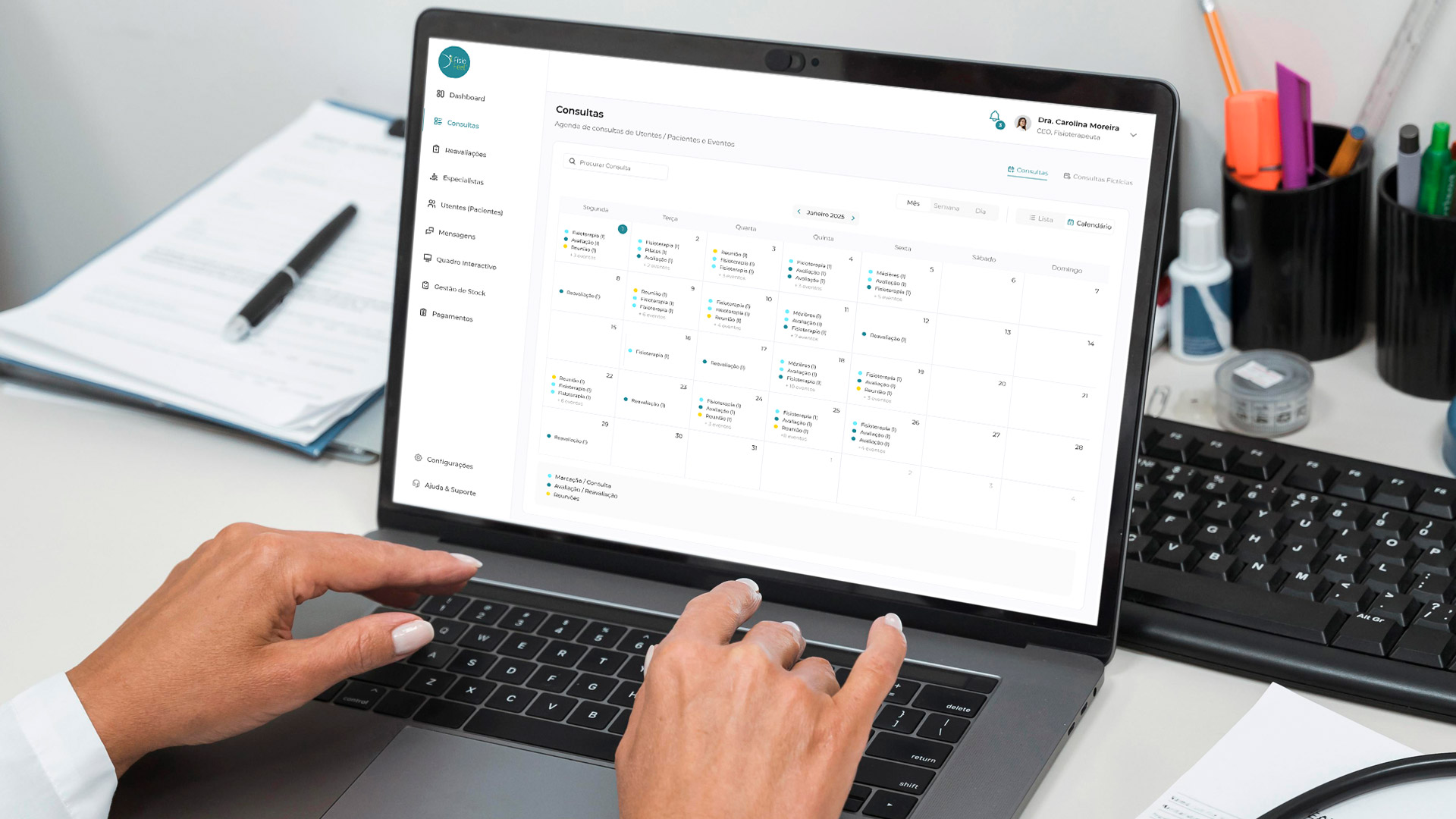
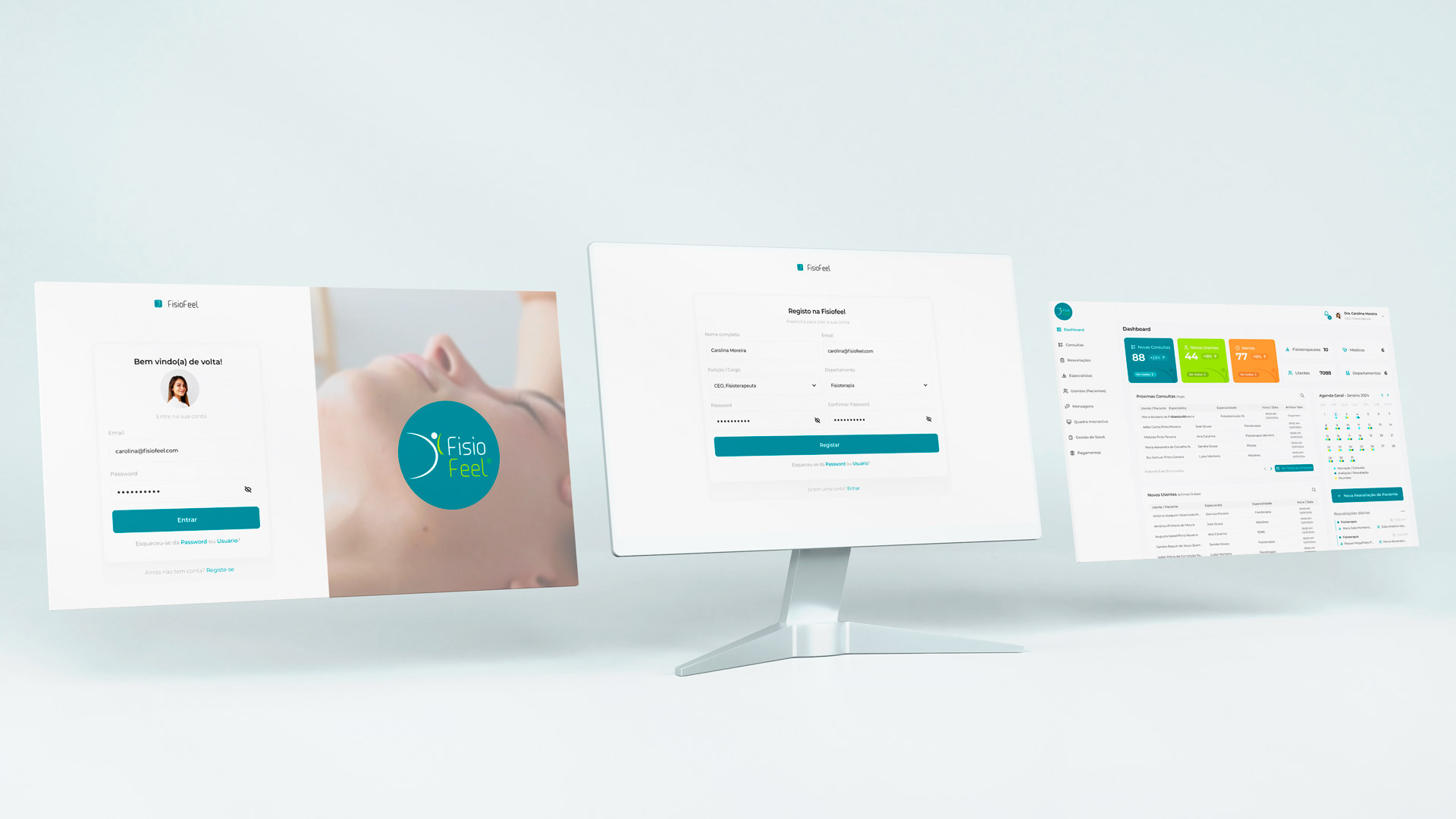
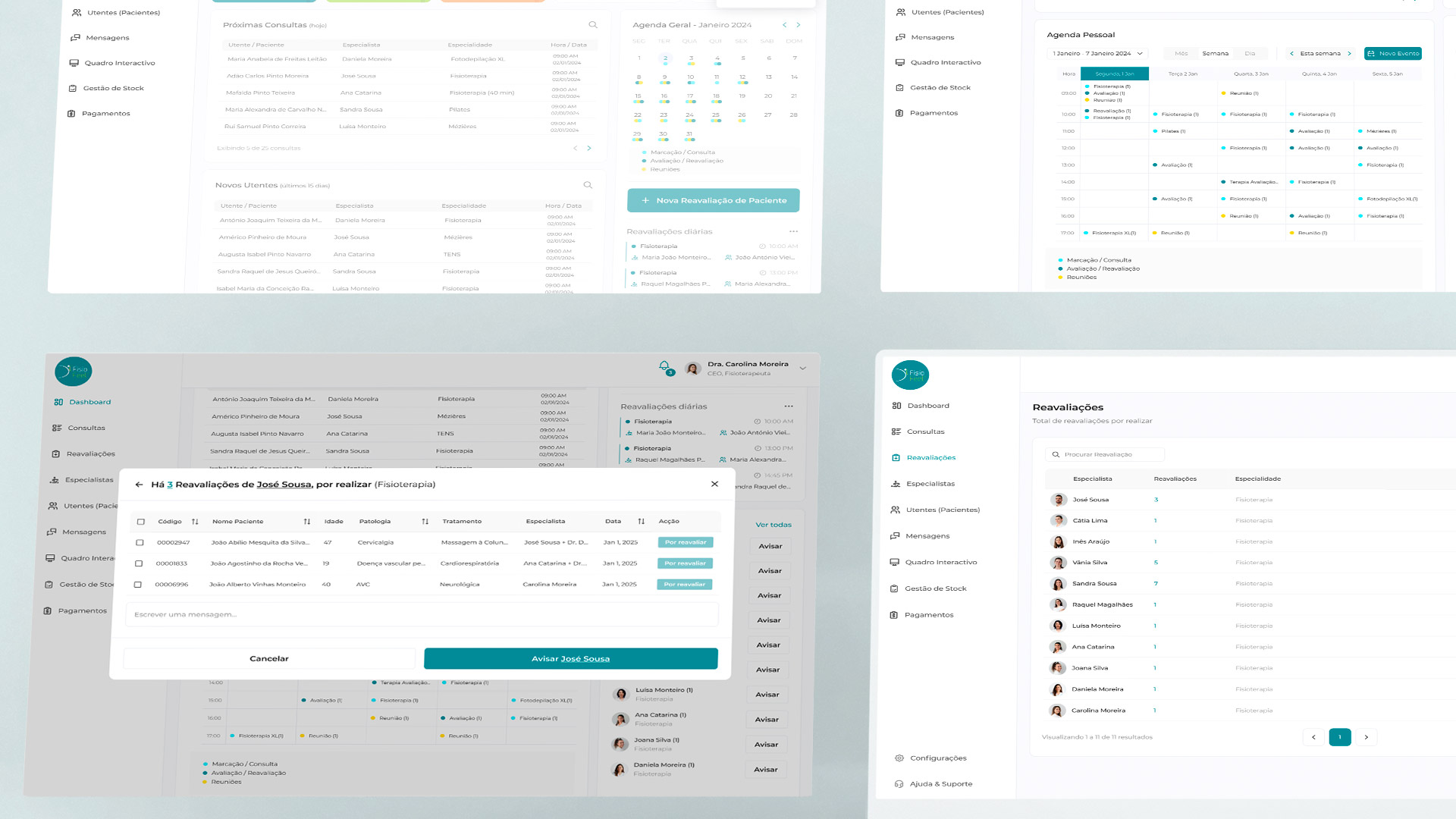
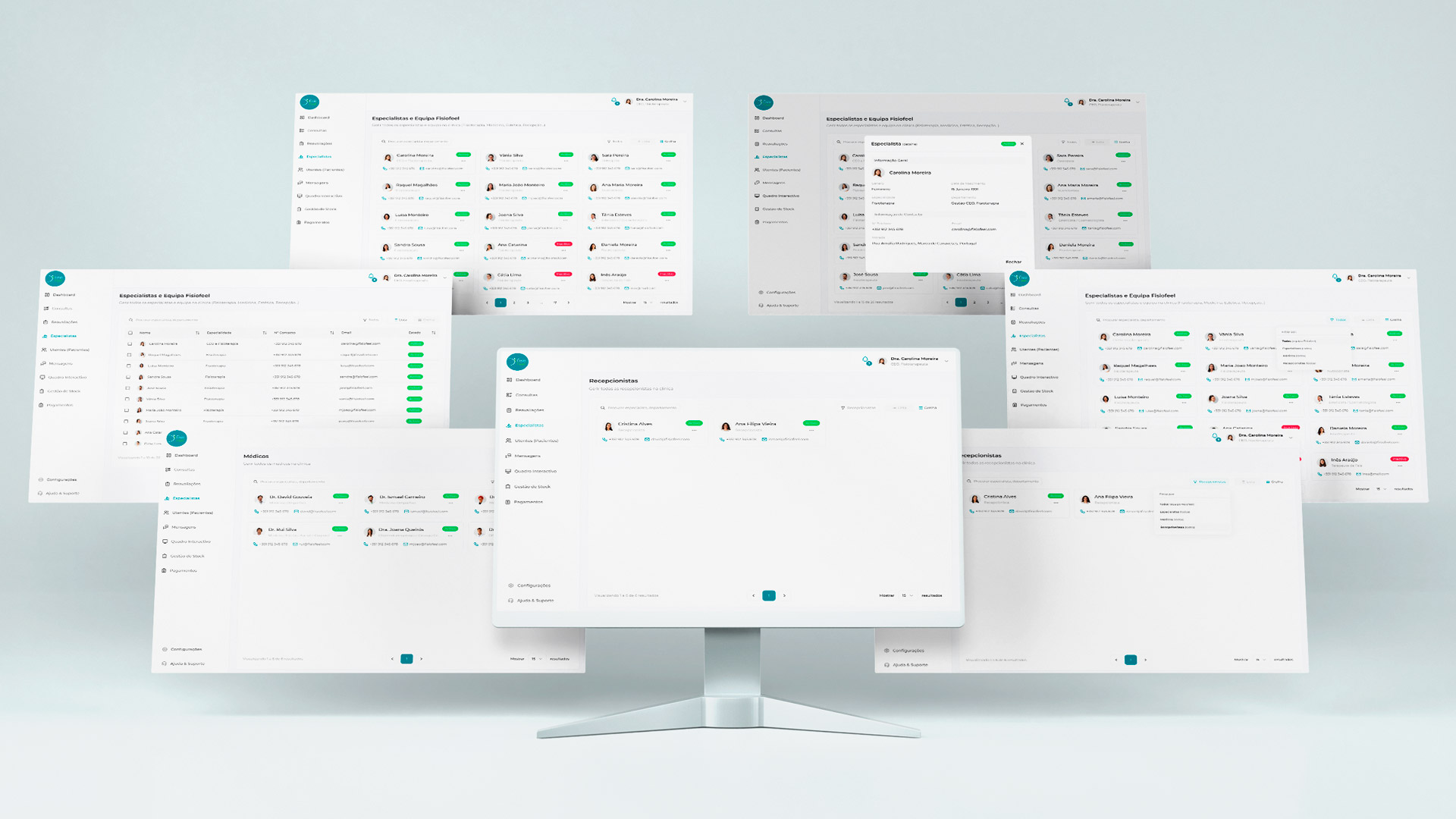
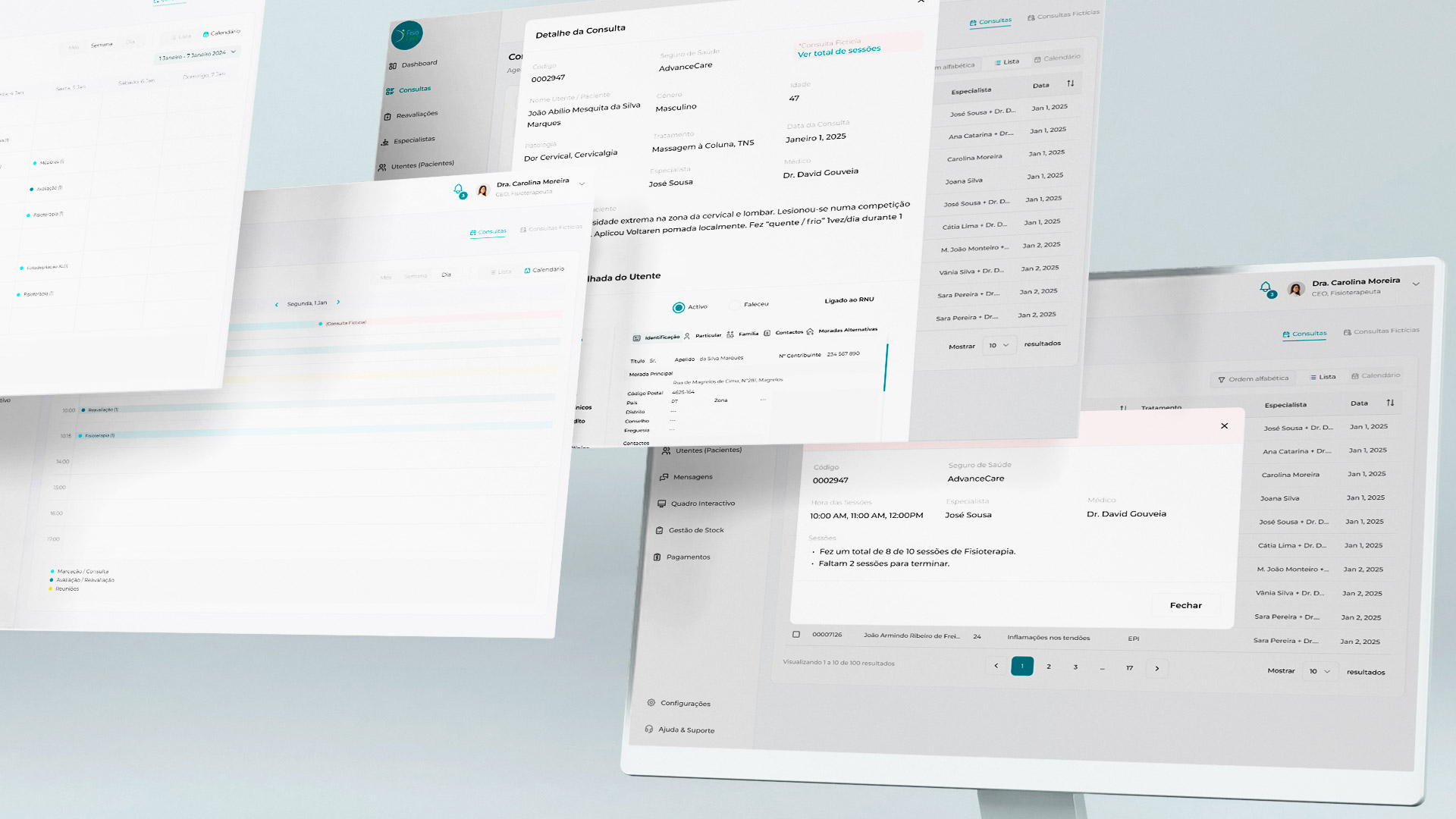
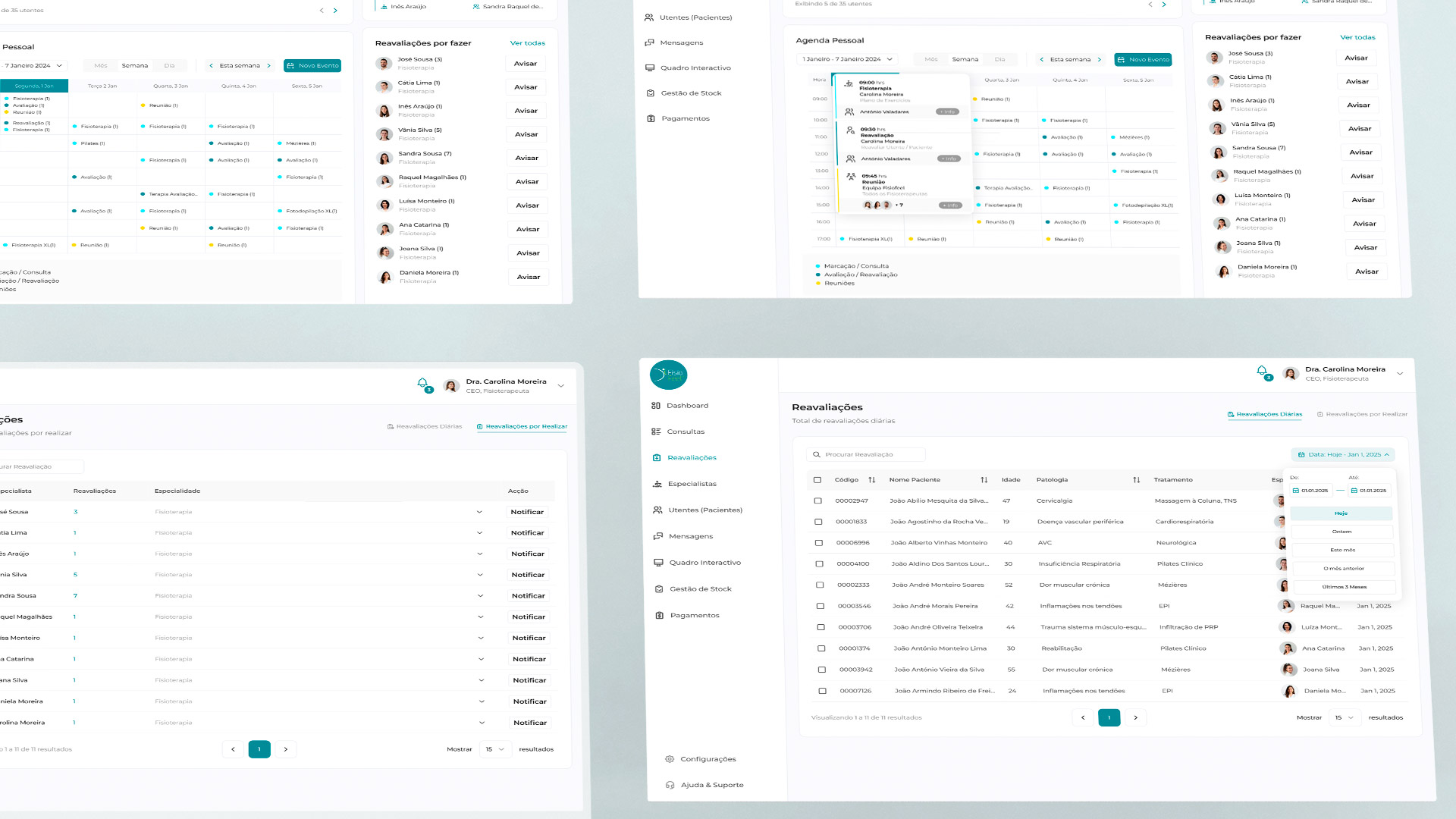
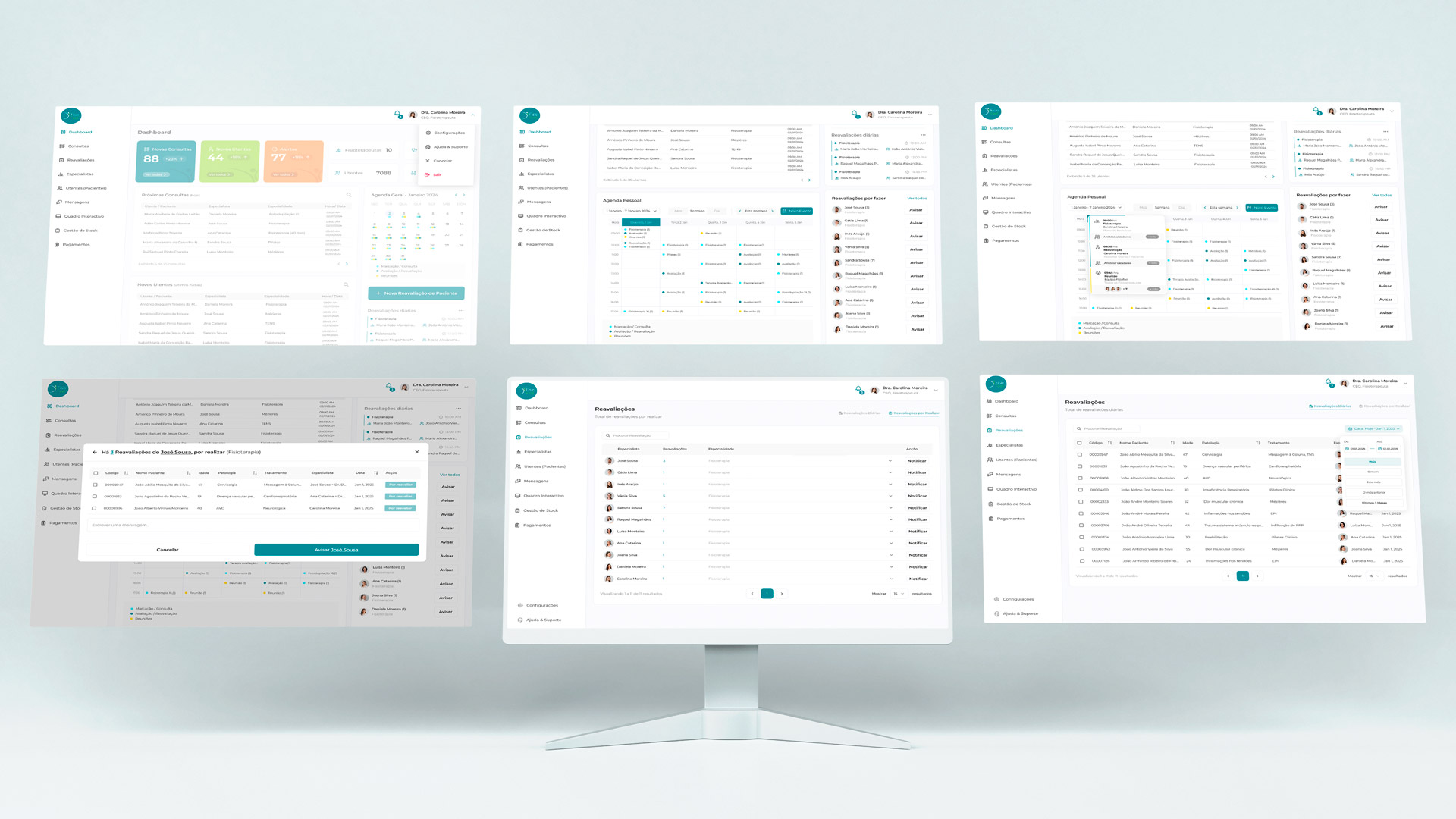
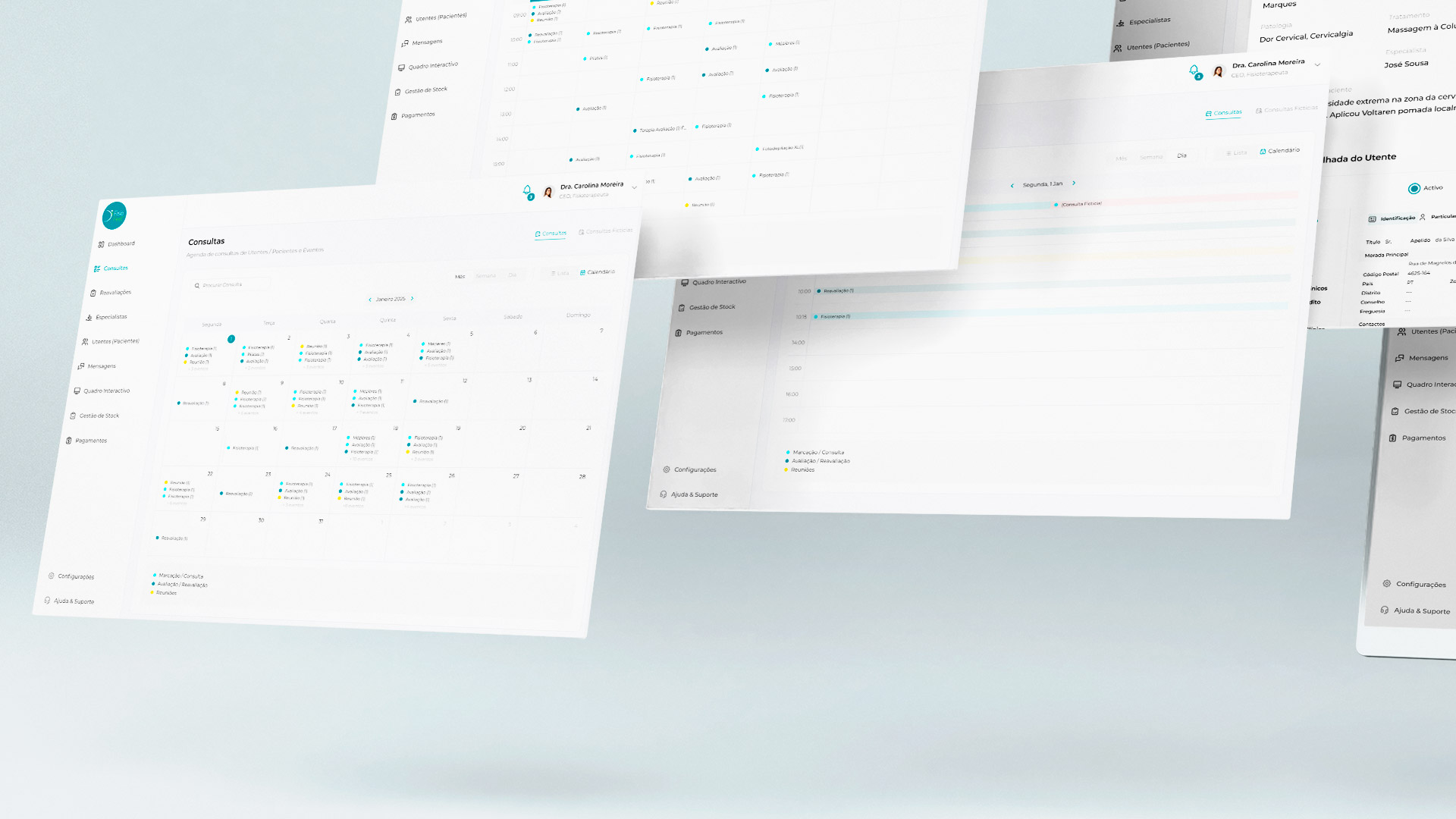
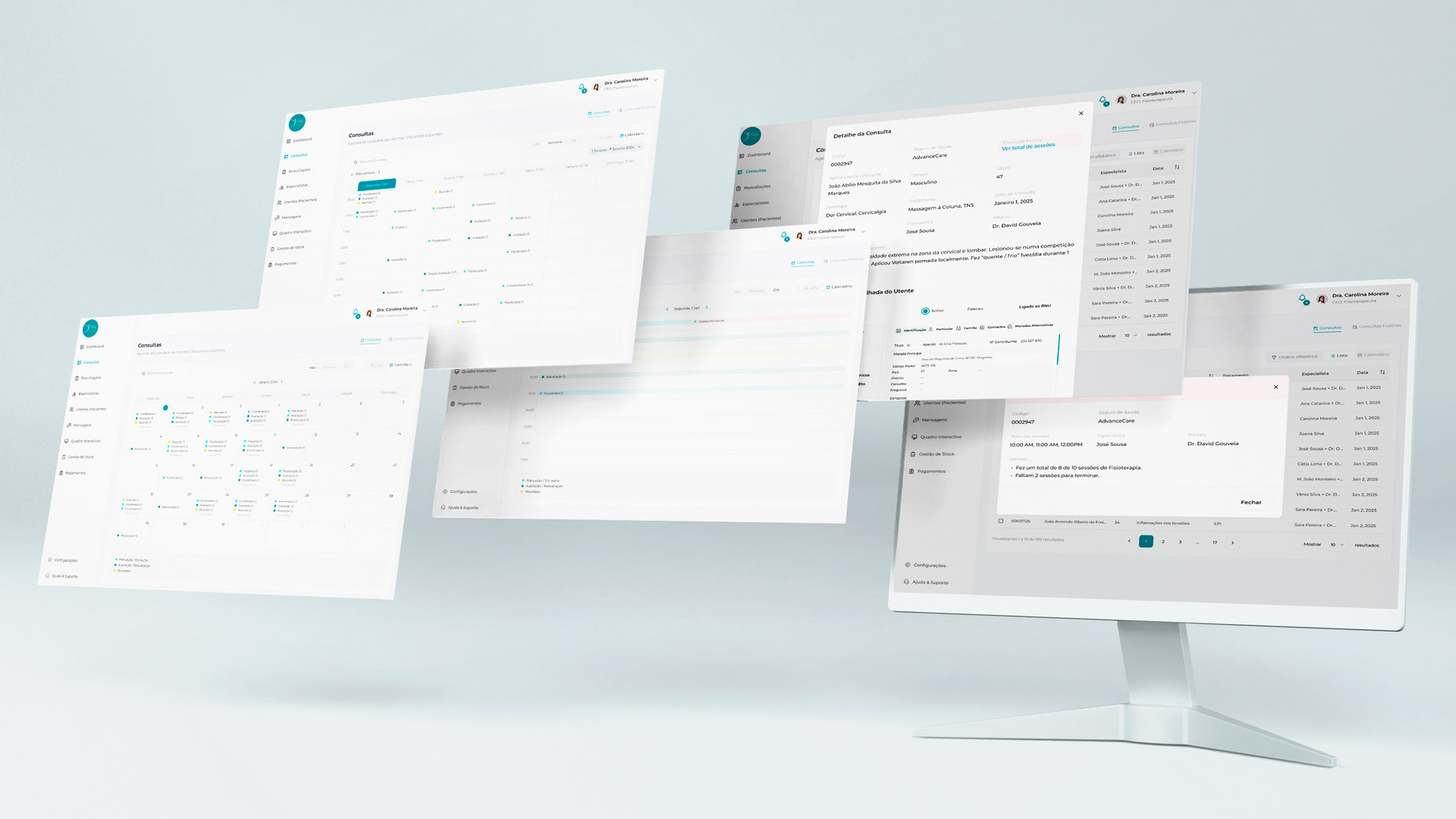
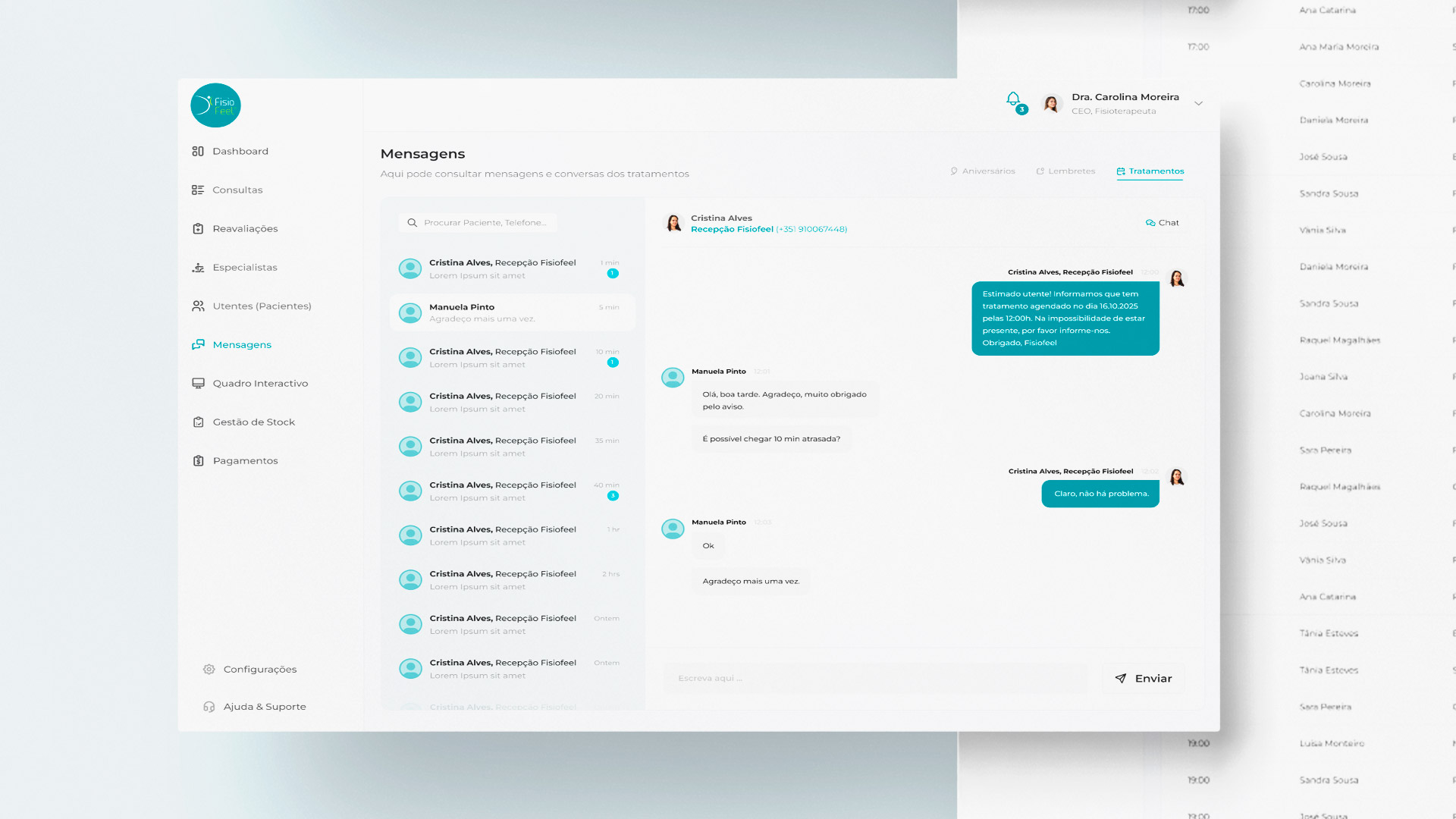
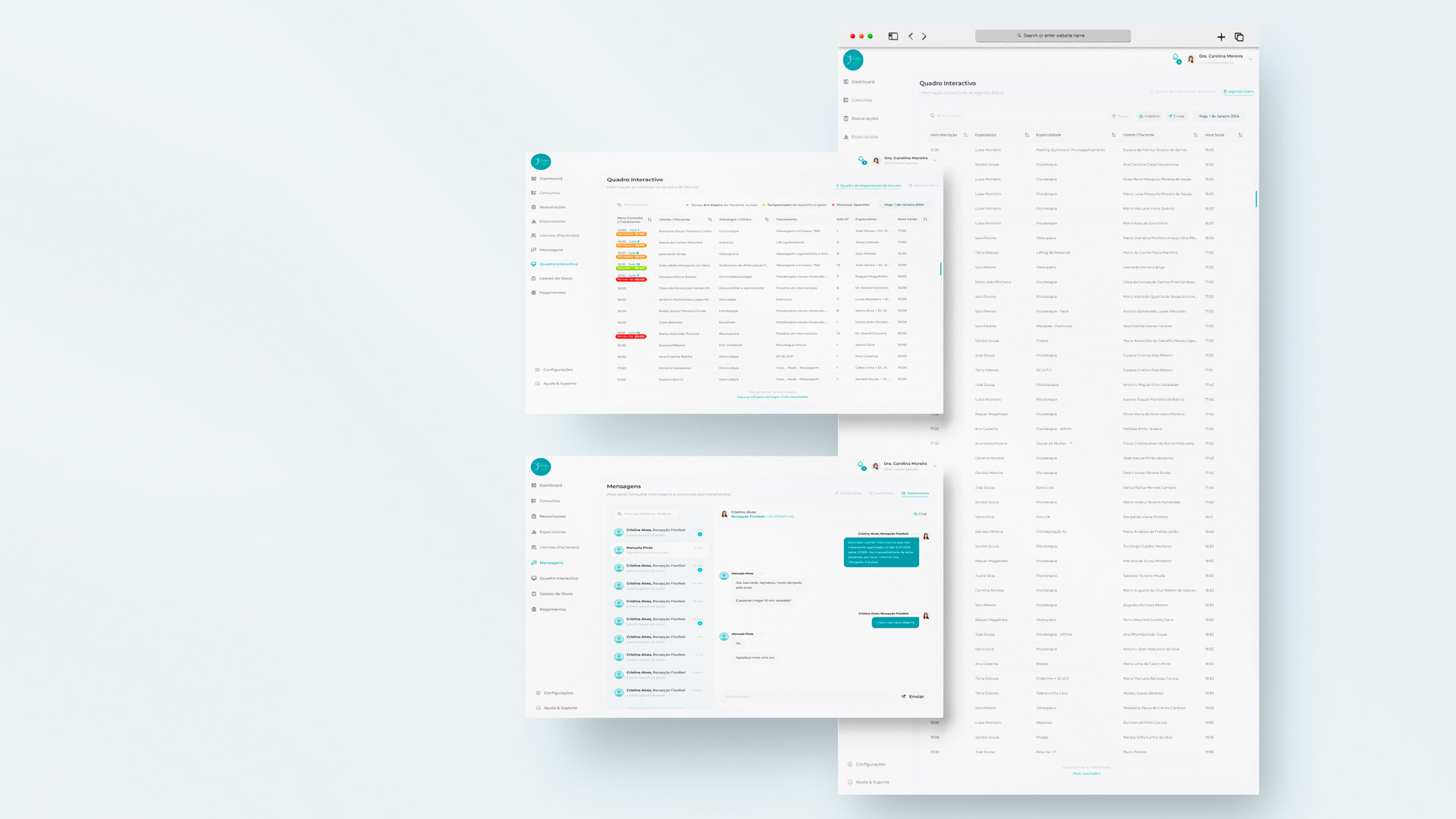
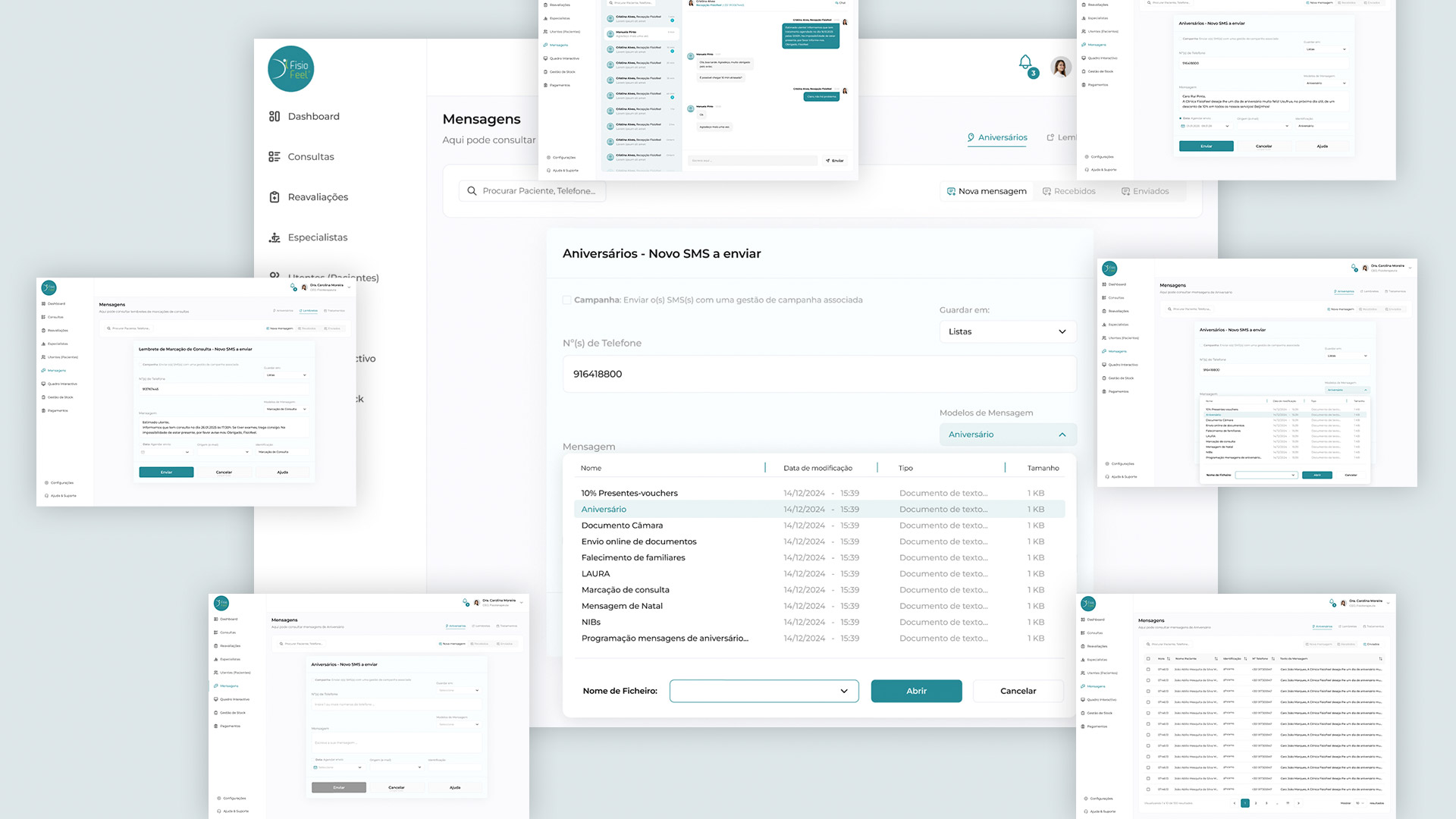
Fisiofeel is a physiotherapy clinic dedicated to patient-centered care. At the time of the project, much of the clinic’s operational management was still handled manually, relying on paper records, handwritten schedules, and fragmented processes. The challenge was to design a tailored CRM system capable of centralising and simplifying the clinic’s operations without disrupting the human side of care. The software was designed to support:
- Therapist and patient scheduling - Consultation and therapy management - Equipment and physical therapy device tracking - Stock and resource management - Clear visibility over timings, availability, and workloads Every feature was shaped by real challenges shared by the team — from scheduling conflicts and time management issues to administrative overload. The resulting CRM provided a single, intuitive system that aligned with how the clinic actually works, replacing complexity with clarity.
CONCLUSION
Benefits of this project
The final design was met with immediate approval and enthusiasm. By transforming paper-based processes into a streamlined digital experience, the CRM significantly improved how Fisiofeel manages its clinic.
This was a fantastic opportunity to build strong relationships with the talented team at Areastore, and collaborating with exceptional production and development teams.
Key benefits included: - Reduced administrative friction - Better control over schedules and therapist availability - Improved organisation of patient data and treatments - Increased operational efficiency - More time for the team to focus on patient care This project demonstrates how thoughtful, collaborative design can modernise healthcare operations — not by replacing people, but by supporting them with tools built around their real needs.